The Homer Lea Research Center |
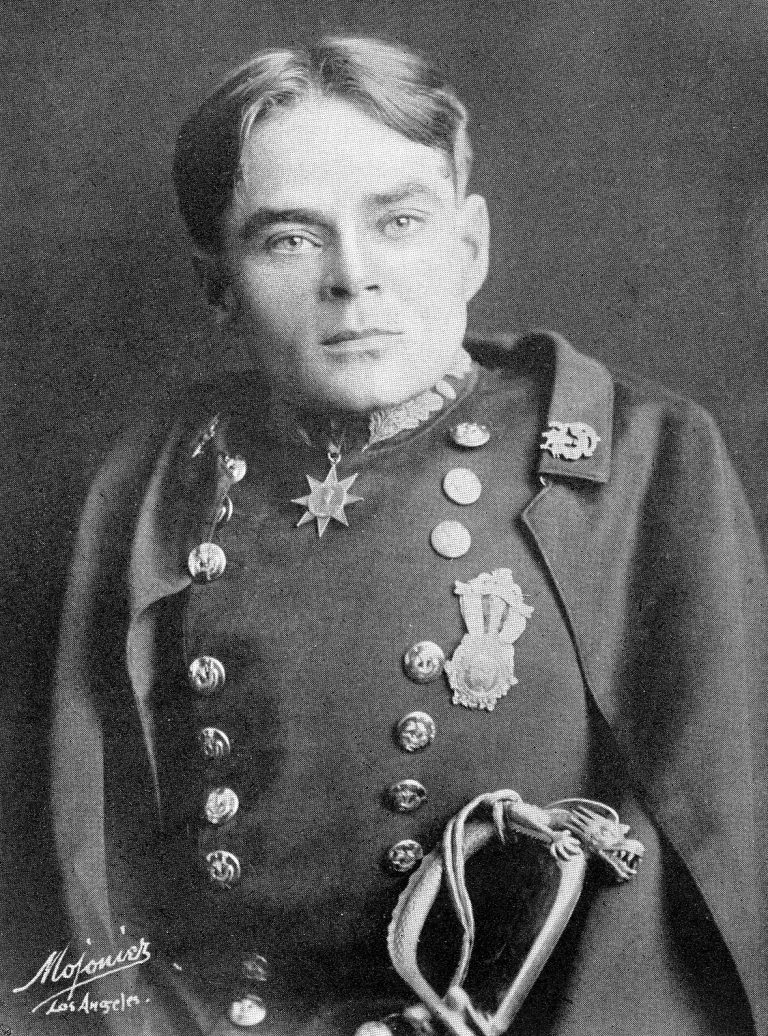
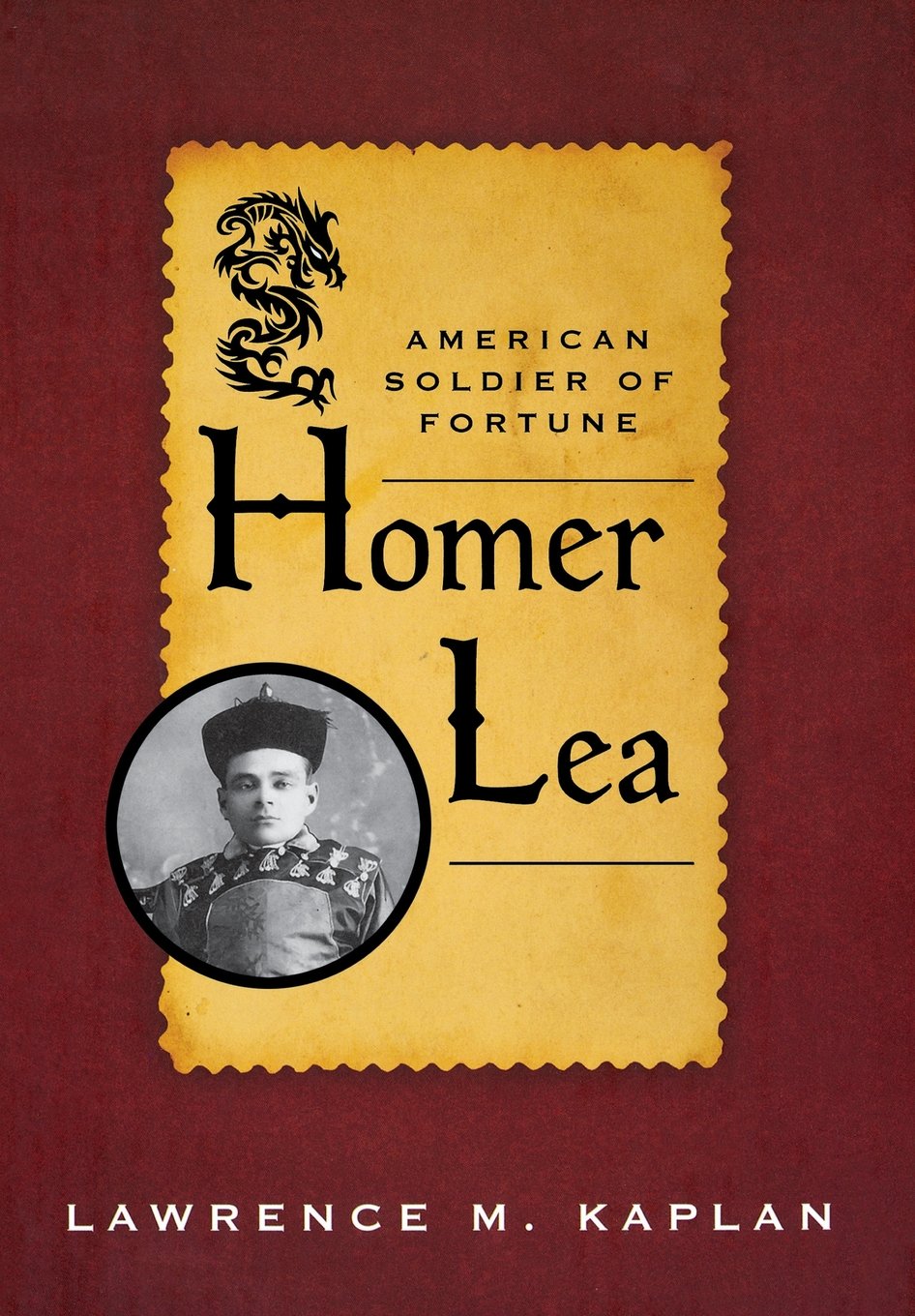
Welcome to the Homer Lea Research Center, where I will be sharing select reference materials I collected in researching the book, Homer Lea: American Soldier of Fortune (part of the Association of the U.S. Army “American Warrior” series). I have been researching Homer Lea off and on since 1979, when, as a graduate student in history at Ohio State University, I first discovered him. I went on to write my Ph.D. dissertation about him at Kansas State University in the mid-1980s, and began expanding upon that research in the late 1990s as the internet opened new vistas for researchers. Although I researched a wide variety of primary sources, only a percentage of this material was included in the book. For example, the website’s photographic section has more than 100 images, most of which could not be included in the book due to space limitations by the publisher. The website also contains a listing of newspapers precluded from inclusion in the book due to space limitations. Please feel free to contact me if you have any questions or comments, and thanks for visiting our site! - Dr. Lawrence M. Kaplan Biography Homer Lea’s career was stranger than many found in romantic fiction. Lea (1876-1912), a five-foot three-inch hunchback who suffered from debilitating health, overcame his afflictions in pursuing dreams and ambitions that few men ever achieve. He is best remembered as a somewhat mysterious adventurer, author, and geopolitical strategist who challenged conventional wisdom and went against significant odds in forging himself a role on the world scene. His youthful desires for adventure, including the pursuit of a military career, were fulfilled when he found opportunities for advancement through the Chinese reform and revolutionary movements. He began his adventures in 1900, after dropping out of Stanford University and going to China during the Boxer Rebellion, and ultimately became the trusted personal military advisor to Chinese revolutionary leader Dr. Sun Yat-sen during the 1911 Chinese Republican Revolution. In the interim he became a celebrated author and internationally recognized geopolitical strategist. In 1912, he was poised on the brink of fulfilling a Napoleonic destiny in China when his health gave out. He died later that year, shortly before his 36th birthday, leaving an indelible mark on the history of his times. [ more ]
|
|
Resources Homer Lea's Writings Homer Lea’s writings included three books (available online, click for access), The Vermilion Pencil (1908), The Valor of Ignorance (1909)and The Day of the Saxon (1912), four published articles; “Can China Fight,” World Today (1907); “How Socialism Failed in China,” Van Norden’s Magazine (1908); “The Aeroplane in War: Some Observations on a Military Delusion,” Harper’s Weekly (1910); “The Legacy of Commodore Perry,” North American (1913); an unproduced play, “The Crimson Spider,” (1909), (Manuscript Division, Library of Congress); and an unpublished, undated, draft article, “The Defences of China,” (Hoover Institution on War, Revolution and Peace, Stanford University). In the following selection of Lea writings the reader should keep in mind that his spelling and word usage occasionally varied. In some cases, for example, he interchangeably used defence and defense, renaissance and renascence, and terrene instead of terrain. The Homer Lea Photo Archives Primary Source Newspapers Homer Lea’s Speeches Although Homer Lea was a prolific public speaker, there are to date only two known examples of speech transcripts that he delivered. The first instance is an address he gave to the first Pacific Coast Congress in November 1910, in which he reprised many points from The Valor of Ignorance relating to the defense of the Pacific coast from a Japanese invasion. California Governor James N. Gillett invited him to be a delegate to the congress, which convened in San Francisco and comprised approximately 300 civil, military, and commercial representatives who discussed specific problems affecting the region. Lea’s second recorded address was a July 1911 talk he gave to a men’s group at a New York City luncheon, prior to his departure for Germany, which also focused on themes from The Valor of Ignorance about defending the Pacific coast from a Japanese invasion. [ more ]
|
Copyright © 2012. All Rights Reserved.